Every community, classroom and home has brilliant minds that can touch and feel the world in amazing ways. Autism is not a barrier, it is another side in which individuals see, express themselves and attain their targets. In its simplest form, autism is a neurodevelopmental difference that affects the way a person spends, acts with others, builds proficiency about invasion of the senses and competes.
The ParentTeacherPath blog features authentic stories, parent guides, and printable resources. The YouTube channel brings those stories to life through short, heartfelt videos told from multiple perspectives—parent, teacher, and child—creating an emotional bridge that invites understanding and community connection. Soussa’s upcoming books expand the message even further, blending advocacy with inspiration, and giving families tangible tools for growth.
The journey towards the proper autism support can be daunting, yet a systematic search can bring light to the process. It begins with a thorough understanding of the unique individual at the center of the journey. Find out what their particular strong suit is, what their particular weaknesses are, how they communicate, to which senses they are sensitive, how they like to learn, and what accompanies them in the way of co-occurring conditions, such as anxiety or ADHD or GI difficulties. Understanding needs change with the lifespan (a need that is essential to a toddler is almost nothing compared to the need of a teenager or an adult). It is essential to consider the various stages of development and potential mental health needs.
After identifying individual needs, participate in a wide range of support environments. When the children involved are very young (typically younger than 3 years old), then it is Early Intervention Programs (which in many instances are state funded).
In these programs, evaluation and treatment with speech therapy, occupational therapy, and physical therapy treatment are generally provided within the natural setting of the child. Students should be helped in their studies at school level.
Autism presents in different ways based on gender differences in autism presentation, resulting in a high failure to diagnose females and gender-diverse people. Historically considered a male-dominated field, research has shown that this disparity can be attributed to differences in symptom manifestation and the tendency for men to mask their symptoms.
My name is Ken and I’ve spent over 20 years as an educator, working with students across a wide range of needs—from learning disabilities to autism, ADD, and ADHD. I’ve sat in countless IEP meetings, talking with parents who are doing everything they can to help their child thrive. I’ve always tried to offer comfort, support, and honesty—while also helping families get the services and solutions their child truly needs.
Subscribe to our regular newsletter updates and stay educated!
The creation of an autism support network and deliberation on the most effective means are at the core of support for autistic and their relatives. There are many autism resources available that go beyond providing information and offer advocacy, community support, and even real-life assistance according to the autism society. Having an idea of where to seek gives families the strength to deal with challenges and to embrace strengths.
For Autistic individuals, two powers have facilitated this push: advocacy and awareness. To advocate is to be vocal in the rights, needs, and right to belong of autistic on all fronts, such as the campaign to receive proper services of a child in a school setting or inclusion of a change of legislation that would ensure accessibility and lack of discrimination in terms of employment, healthcare and as part of the community. It involves educating others, debunking myths, and recognizing that individuals with autism should be placed at the center stage when it comes to decision-making that affects them. Self-autism advocacy, autistic people describing their needs and views themselves, is especially potent and has to be supported.
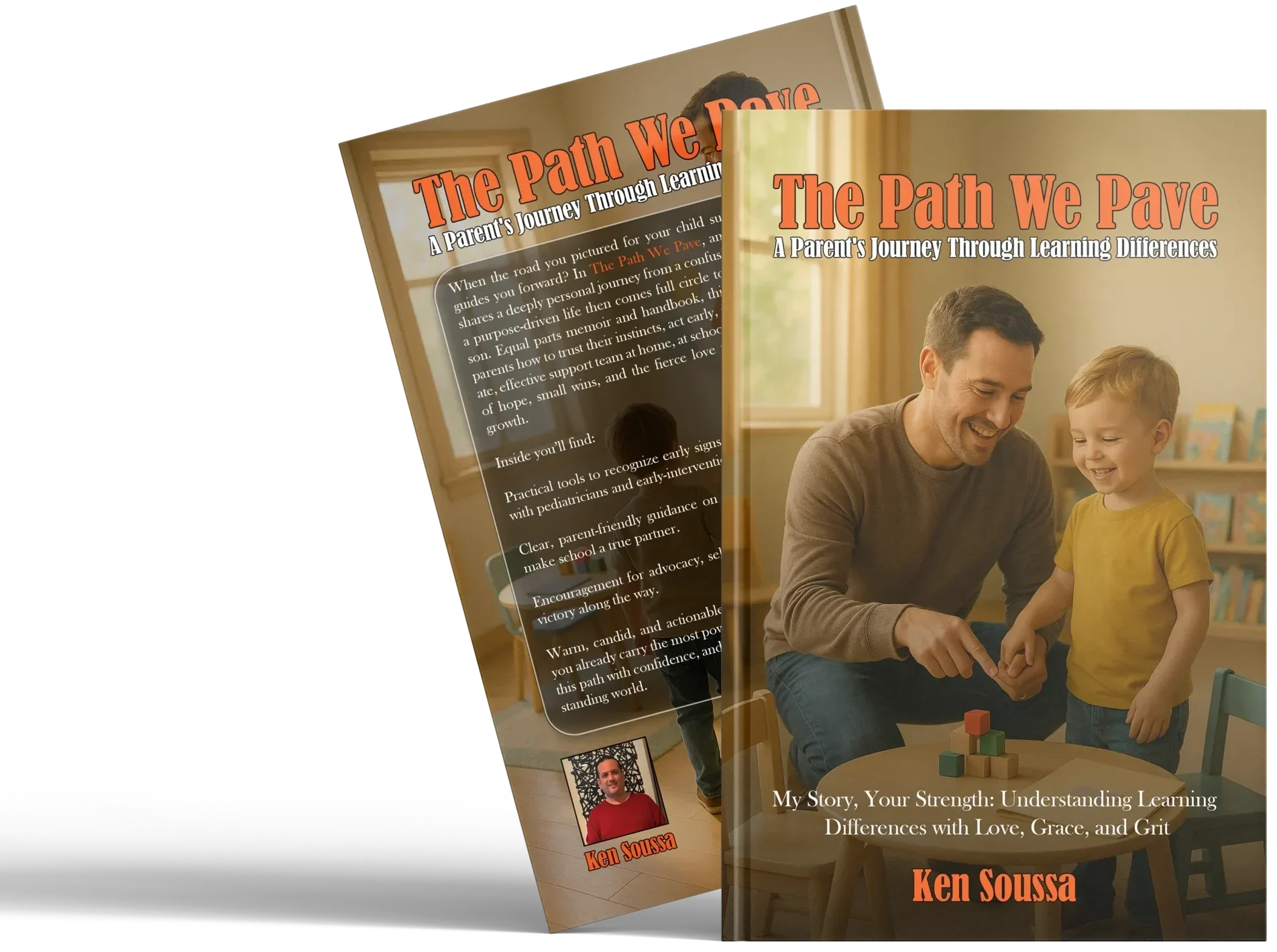
The Path We Pave: A Parent’s Journey Through Learning Differences is a heartfelt memoir and practical guide for parents walking the unfamiliar road of raising a child who learns differently. Told through the personal experiences of a father who once struggled in school himself, the book blends compassion with practical insight. It shows how patience, understanding, and early action can change a child’s learning path.
The story reflects the author’s journey from a confused student facing learning challenges to an educator and parent who understands the importance of early support. It highlights the value of structured learning plans, parental advocacy, and steady progress over time.
The book was awarded a 5-star review by OnlineBookClub, recognizing its honest storytelling and encouraging message for families navigating learning differences.
Readers interested in a deeper perspective can explore the full 5-star review of The Path We Pave on OnlineBookClub:
The FPIES Foundation is a nonprofit organization dedicated to supporting families and raising awareness of Food Protein-Induced Enterocolitis Syndrome (FPIES). Through our partnership, we are proud to help share trusted resources, increase education, and support families navigating the challenges of this rare and often misunderstood condition.