As parents, we’re always juggling therapies, meetings, and schedules. It’s easy to wonder, “What can I do at home that will actually help my child?”
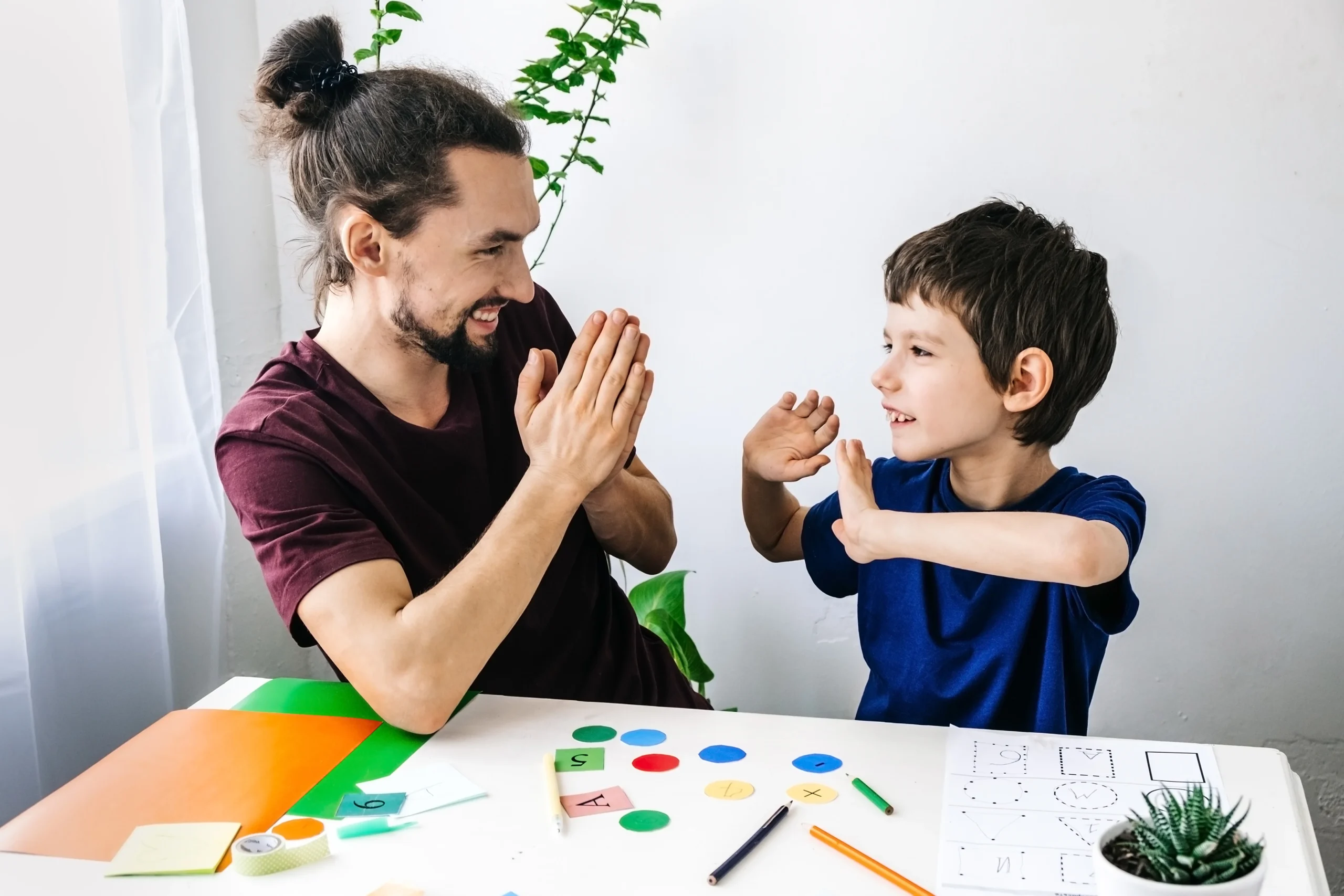
The truth is, you don’t need to create a classroom in your living room or spend hours on tutoring sessions. What really makes a difference is consistency, patience, and a few simple strategies that fit into your daily routine.
Here’s What Helped Us at Home
When our son was younger, we knew he needed extra support beyond school, but we were also exhausted. We had to find ways to work with him that wouldn’t burn everyone out.
These are a few things that worked for us:
✏️ 1. Practice Through Play
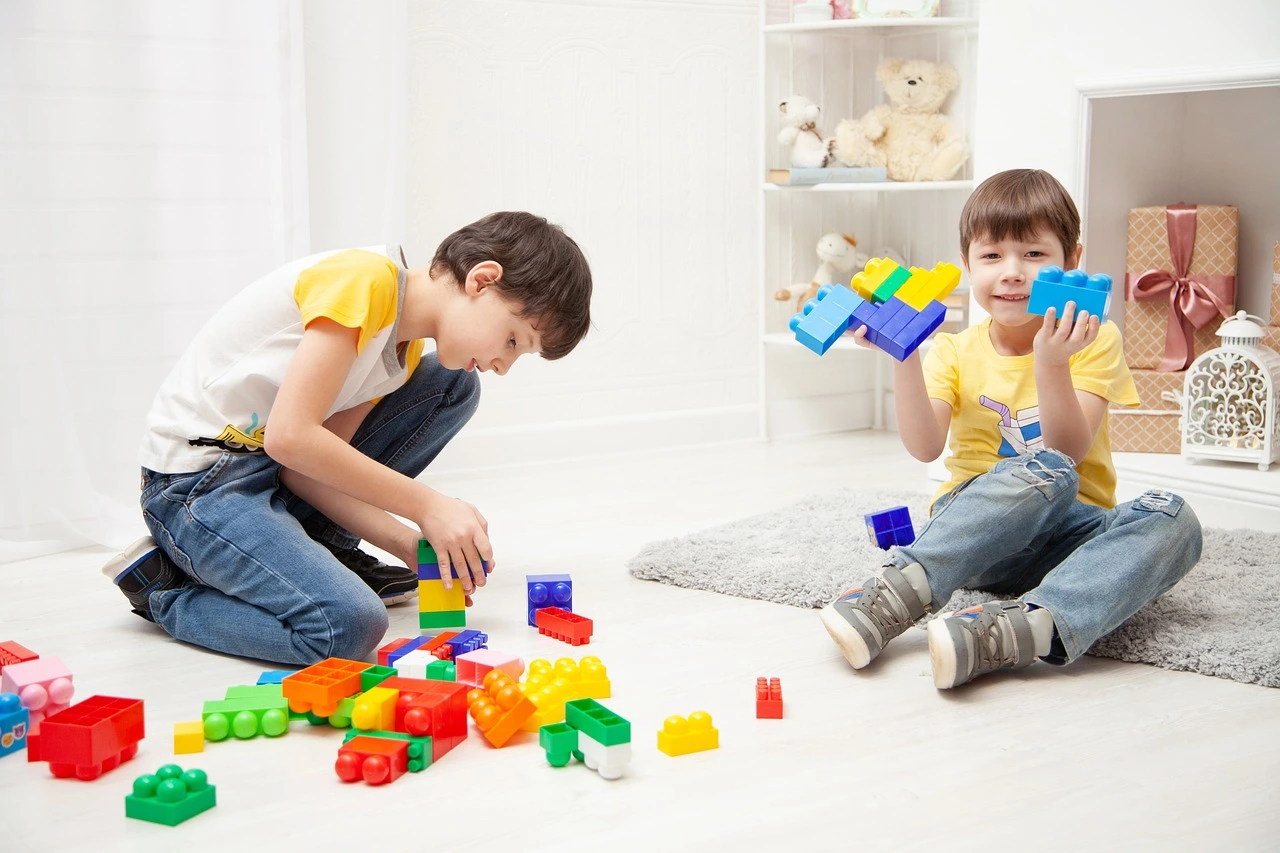
Children learn best when they are relaxed and having fun. We found that using toys, puzzles, and games helped build essential skills while keeping things light-hearted.
Examples of Play-Based Learning:
- Letter Magnets on the Fridge: A simple way to teach letter recognition.
- Chalk Writing Outside: Practice writing letters and numbers while enjoying the outdoors.
- Sorting Colors with LEGOs: Enhance color recognition and motor skills.
- Counting Snacks at the Table: Turn snack time into a math lesson.
These activities weren’t formal lessons but integrated learning into play.
📚 2. Use Real-Life Routines to Teach Skills
Everyday activities can be learning opportunities, turning regular tasks into chances for development.
How We Incorporated Learning in Daily Life:
- Reading Signs While Driving: Teach reading and comprehension with signs.
- Counting Items at the Store: Make grocery shopping an exciting counting activity.
- Brushing Teeth: Explain each step while brushing teeth.
- Naming Colors and Shapes During Bath Time: Reinforce colors and shapes in a fun way.
The key wasn’t to do more but to maximize existing routines.
🧠 3. Work on One Skill at a Time
Trying to address every challenge at once can feel overwhelming. Instead, we focused on one goal at a time—whether it was learning to write his name or identifying numbers 1–10. Small, consistent steps made a huge difference.
💬 4. Celebrate Progress Loudly and Often
We celebrated effort over perfection. Every time our child tried, we made sure to praise him. Even when struggles occurred, we provided encouragement. This positive feedback reinforced his self-confidence and motivated us to keep going.
🕊️ 5. Keep It Short and Simple
Short, focused learning sessions often led to greater progress. A 10-minute session was more impactful than an hour of frustration. And if things didn’t go as planned one day, we simply let it go. Tomorrow was always a new opportunity.
💡 You Don’t Need to Be a Teacher to Help Your Child Learn
Being a supportive presence in your child’s life is key. Encouraging them, believing in their abilities, and dedicating a few intentional moments each day can make a world of difference in their learning.
Easy Home Learning Tools
| Skill | At-Home Strategy |
|---|---|
| Letter Recognition | Alphabet puzzles, flashcards, letter hunts |
| Counting | Snack counting, number songs, dice games |
| Fine Motor Skills | Play-Doh, beading, cutting with child scissors |
| Speech/Language Practice | Name items during play, repeat new words |
| Writing Practice | Tracing names in sand, finger paint, markers |
💬 How do you support learning at home? Share your favorite methods in the comments—I’d love to hear your ideas and share them with this amazing community!