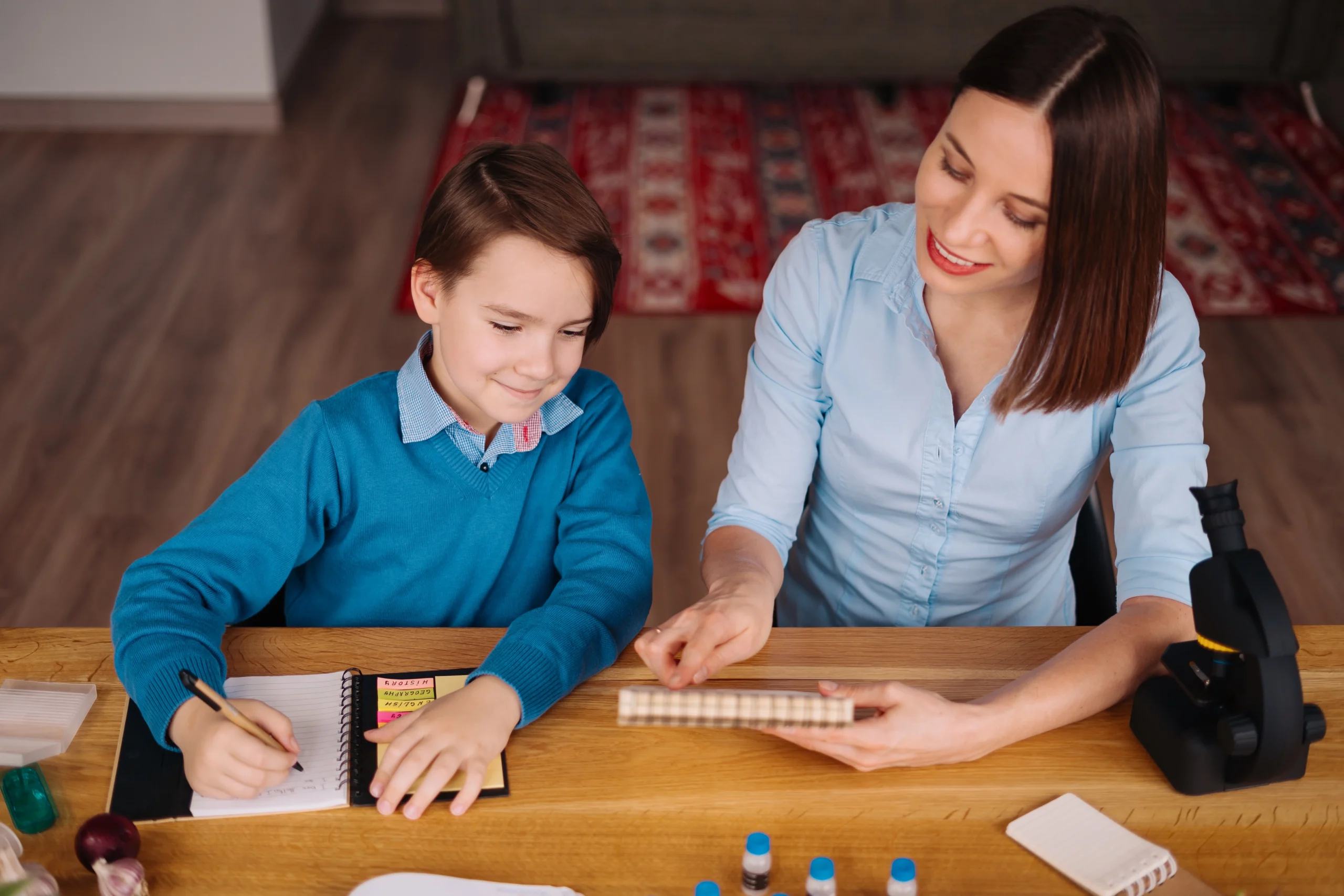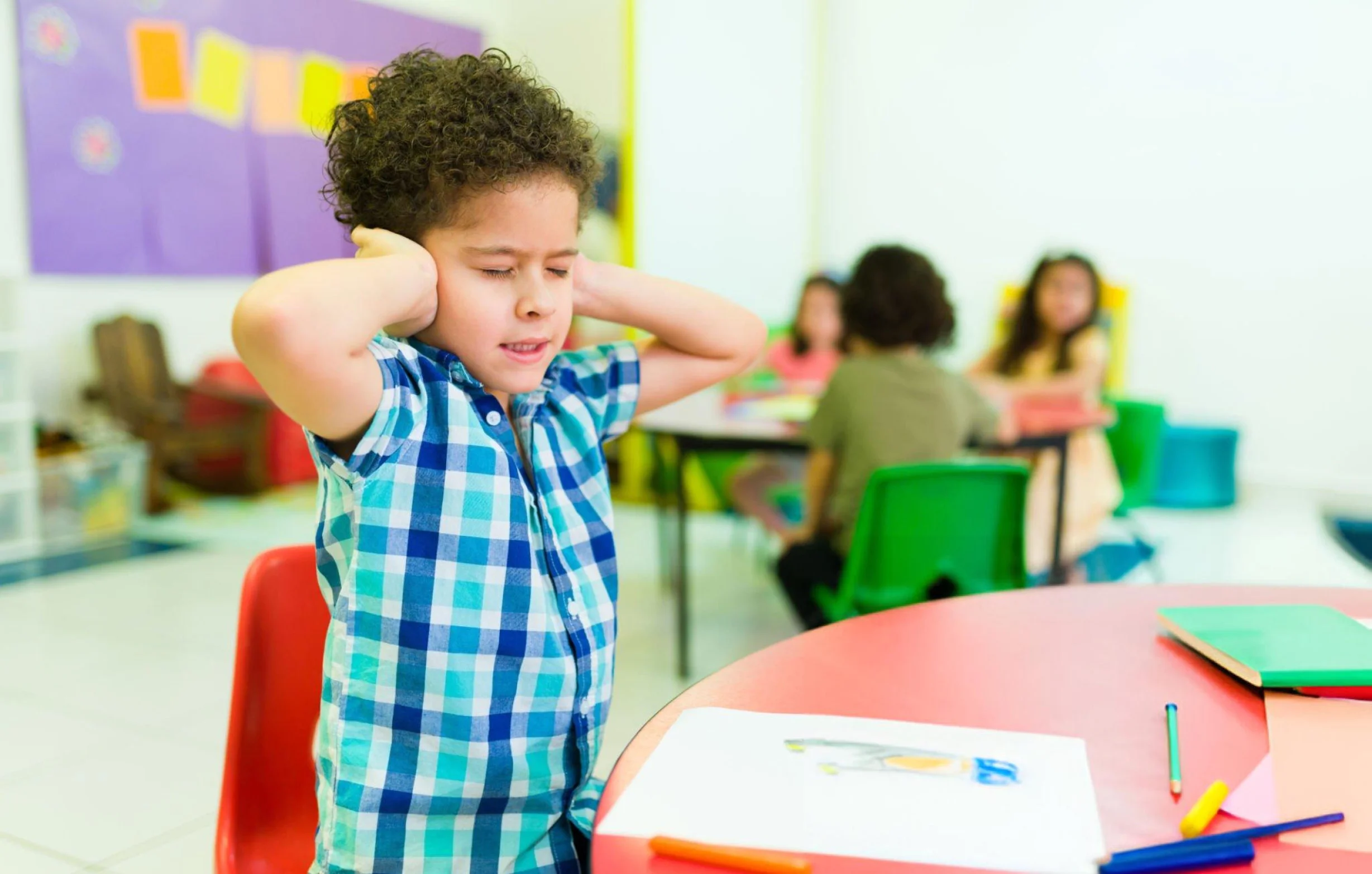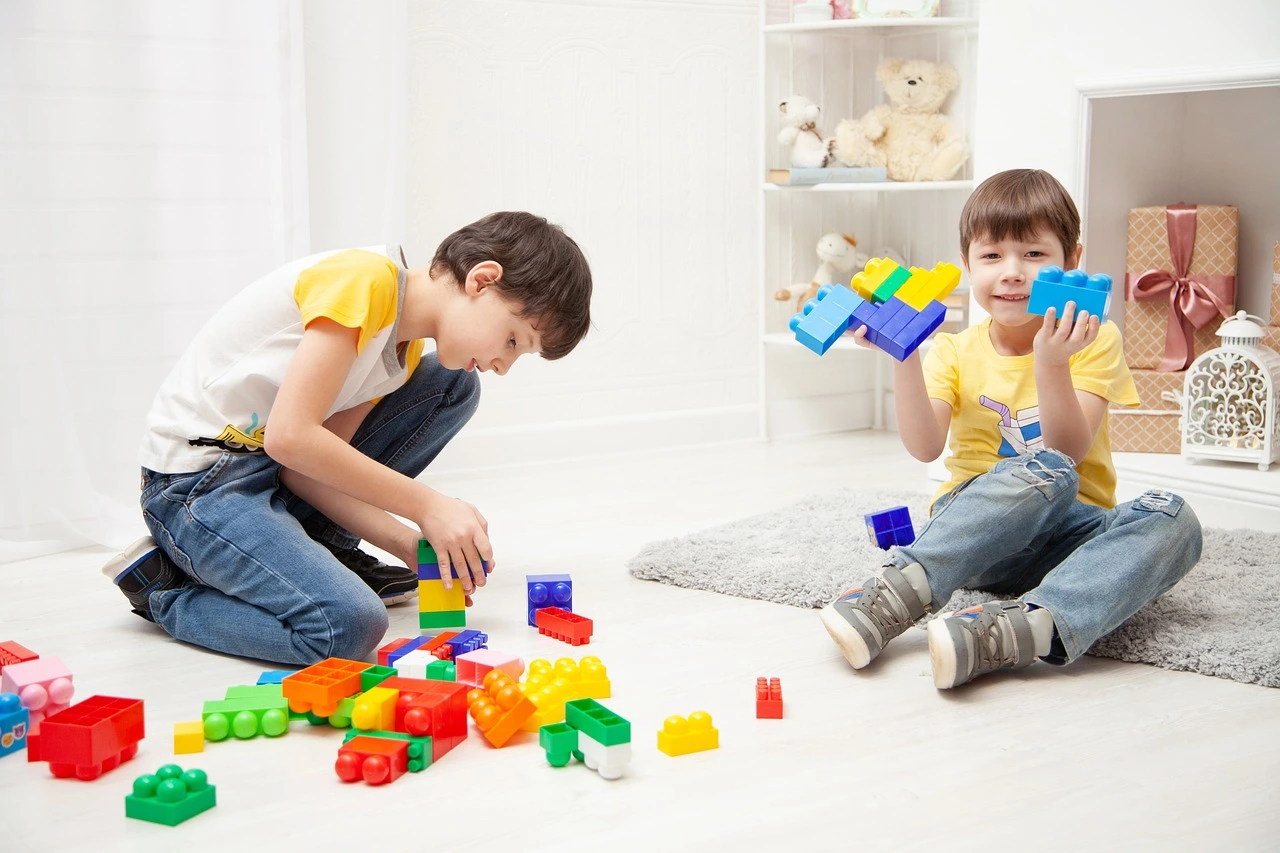
If you picture a child sitting at a table doing drills, think again. ABA therapy can include structured teaching, but it also includes play, movement, and real-life learning throughout the day. Most importantly, sessions look very different for every child because therapy is built around your child’s needs, strengths, and goals.
The Short Answer: What Happens in an ABA Session
Before we go deeper, here’s a quick snapshot of what a typical ABA session includes:
- Pairing & rapport building, building trust, and motivation
- DTT (structured teaching) short, focused learning trials
- NET / play-based learning teaching through natural play and daily activities
- ADLs (daily living skills): dressing, toileting, hygiene
- Social skills practice: sharing, turn-taking, communication
- Data collection & review tracking progress in real time
This mix is what makes ABA both structured and flexible.
DTT vs. NET: The Two Core Teaching Methods
Feature Comparison
| Feature | DTT (Discrete Trial Training) | NET (Natural Environment Training) |
| Setting | Structured (table, quiet area) | Natural (playroom, home, playground) |
| Structure | Highly structured, step-by-step | Flexible, child-led |
| Best for | Learning new skills quickly | Generalizing skills in real life |
| Example | Naming colors using flashcards |
Discrete Trial Training (DTT)
DTT breaks skills into small, teachable steps. For example, a therapist might ask, “What color is this?” The child responds, and the therapist provides immediate feedback and reinforcement. This method is powerful for building foundational skills quickly, especially communication, matching, and early learning concepts.
Natural Environment Training (NET)
NET takes those same skills and teaches them in real-life situations. Instead of flashcards, the child might request a snack, ask for a toy, or label objects during play. NET helps children use what they’ve learned in meaningful, everyday ways.
The best ABA programs use both structure to teach the skill and play to make it stick.
A Complete ABA Session: Component by Component
Pairing / Rapport Building
Every session starts with a connection. The therapist follows the child’s interests, playing, laughing, and engaging so the child begins to associate learning with positive experiences.
Preference Assessment
The therapist identifies what motivates your child (toys, snacks, activities). These preferences are used as rewards to encourage learning and engagement.
Running Programs (DTT)
This is where structured teaching happens. Skills are broken into small steps and practiced repeatedly with clear prompts and reinforcement.
NET / Play-Based Learning
Skills are practiced in natural settings during play, routines, or daily interactions. This is where learning becomes functional.
ADL Practice (Daily Living Skills)
Children work on independence, washing hands, brushing teeth, getting dressed, and using the bathroom.
Social Skills
Depending on the child, this might include:
- Turn-taking
- Sharing
- Making eye contact
- Responding to peers
Data Collection
Therapists track everything that worked, what didn’t, and how the child responded. This data drives every decision in therapy.
Sample ABA Session Schedule (Hour-by-Hour)
| Time | Activity |
| 9:00–9:15 | Pairing & free play |
| 9:15–9:45 | DTT programs (communication, labeling) |
| 9:45–10:00 | Break / play-based NET |
| 10:00–10:30 | DTT (following instructions, matching) |
| 10:30–10:45 | Snack + functional communication practice |
| 10:45–11:15 | NET (play, requesting, social interaction) |
| 11:15–11:30 | ADLs (handwashing, transitions) |
| 11:30–12:00 | Social skills & review |
| 12:00 | Data review & session wrap-up |
Note: This is an example; your child’s schedule will be customised.
Sessions may also change daily depending on your child’s mood, progress, and needs.
What Skills Does ABA Therapy Work On?
Communication
- Requesting wants and needs
- Answering questions
- Using words, signs, or devices
- Improving understanding (receptive language)
Social Skills
- Playing with others
- Taking turns
- Recognizing emotions
- Starting and maintaining interactions
Daily Living Skills (ADLs)
- Toileting
- Dressing
- Brushing teeth
- Feeding skills
Challenging Behaviours
- Reducing tantrums
- Managing aggression or self-injury
- Teaching replacement behaviors
- Building coping strategies
Cognitive / Academic Skills
- Matching, sorting, labeling
- Following directions
- Early reading and math skills
- Attention and memory
ABA is not just about behavior; it’s about building independence and quality of life.
What Progress Looks Like: Milestones by Stage
Every child progresses differently, but here’s a general idea:
0–6 Months
- Increased engagement and attention
- Beginning to follow simple instructions
- Early communication (pointing, requesting)
- Reduction in some challenging behaviors
6–12 Months
- More consistent communication
- Improved independence in routines
- Better tolerance for transitions
- Emerging social interactions
1 Year+
- Functional communication (asking, commenting)
- Greater independence (ADLs)
- Improved peer interaction
- Generalization across settings (home, school, community)
Progress is not always linear. There may be plateaus, but those are part of the process, not failure.
Your Role as a Parent During ABA Therapy
You are not just watching, you are part of the team.
- Observation: You may watch sessions to understand strategies
- Parent training: Therapists teach you how to use techniques at home
- Generalization: You help your child apply skills in real life
This is where real progress happens, when skills carry over beyond therapy.
You are not a bystander. You are a partner.
What About Toddlers: Does ABA Look Different for Young Children?
Yes, and this is important.
For children ages 18 months to 5 years, ABA looks very different:
- Highly play-based
- Child-led activities
- Shorter, more flexible tasks
- Focus on communication and early development
- Lots of movement and interaction
A toddler’s session might look like:
- Playing with bubbles while practicing requesting
- Singing songs to build language
- Using toys to teach turn-taking
It should feel like structured play, not school.
Frequently Asked Questions
What does an ABA therapy session look like?
A mix of structured teaching, play-based learning, and daily skill practice, tailored to your child’s needs.
What happens during a typical ABA therapy session?
Sessions include pairing, structured learning (DTT), play-based teaching (NET), skill practice, and data collection.
Is ABA therapy just sitting at a table doing drills?
No. While some structured teaching happens, most sessions include play, movement, and real-life activities.
Is ABA play-based or structured?
Both. ABA combines structured teaching with play-based learning to ensure skills are learned and used in real life.
Where is ABA therapy conducted?
ABA can take place at home, in a clinic, at school, or in the community.
How long does an ABA therapy session last?
Sessions typically range from 2 to 6 hours, depending on the child’s needs.
What is pairing, and why does it happen first?
Pairing builds trust and motivation. It helps the child see the therapist as positive and engaging.
How quickly will I see progress?
Some changes can happen within weeks, but meaningful progress often builds over months.
Ready to Take the Next Step?
If you’re wondering whether ABA is right for your child, the best next step is to talk to a professional and get a clear plan.
👉 Schedule a consultation or complete an intake form today.
Early support can make a powerful difference, and you don’t have to figure this out alone.
Internal Resources You May Find Helpful
- Learn more about Applied Behavior Analysis (ABA) therapy
- Understand the process of an autism diagnosis or evaluation
- Explore ABA therapy cost and insurance options
This guide is meant to give you clarity, but every child’s journey is unique. The goal of ABA isn’t perfection. It’s progress, independence, and helping your child thrive in their world.